Guilty Pleasure Movies for Jane Austen Fans

I wrote a similar post about Jane Austen movies a few years ago, but after watching the latest adaptation of Emma I've been craving more Austen than ever. Her books and the movie adaptations also serve as perfect escapism. I call these films "guilty pleasures" because if you are a Jane Austen purist and thought the 2005 adaptation of Pride and Prejudice wasn't a faithful rendition of the novel then it is likely you will not enjoy most of the movies on this list either! I personally loved the 2005 version for so many reasons--sweeping English countryside, soothing soundtrack, neutral-heavy wardrobe, hand flex...So if you're like me and enjoy various versions of the author's most popular works then some of these films will hopefully tickle your fancy.
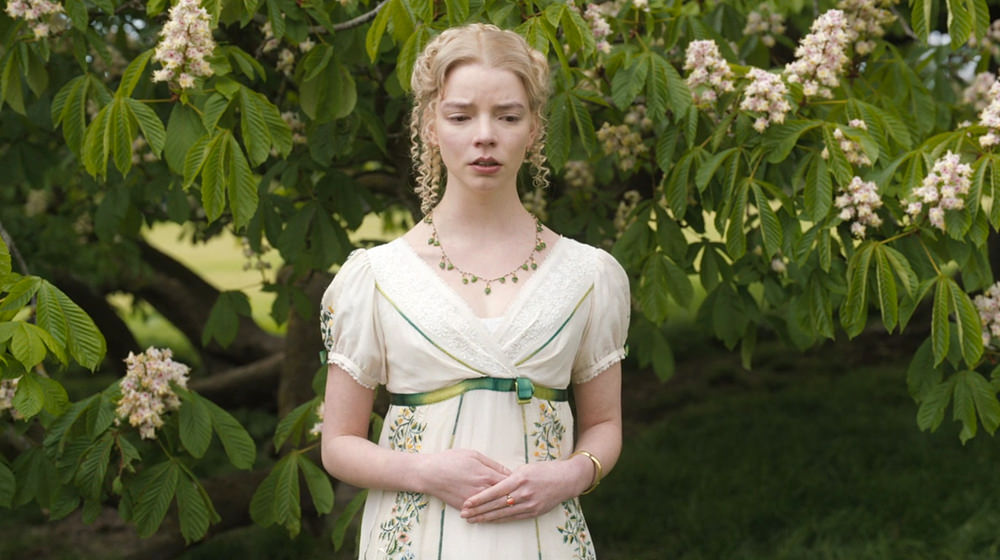 Emma (2020): directed by Autumn de Wilde this is a frothy confection of a film. It's a visual delight (just look at the above costume and scene--that's a chestnut tree in blossom) but the visuals aren't just empty imagery; both the costumes and set design are used to further the story and illustrate the relationships between characters. Emma's outfits and home often border on ostentatious and doll-like, which is also a representation of her status in the community--compare her wardrobe to that of humble Harriet or modest Jane Fairfax. The film did a good job of playing justice to the complexity of Emma's character (even Jane Austen herself wrote that Emma would be a character unliked by many)--she is obsessed with perfection but is far from perfect. Most films focus on humbling Emma, which this one does as well, but it also I think fleshes out her character and relationships better as well, for one thing you can feel her loneliness as she bids goodbye to Mrs. Weston. The relationship between Emma and Mr. Knightley is also especially good in this adaptation (I might write a whole blog post about that one day). One critique I did have for the film was the sound was a bit flat to me; I found it less immersive than it could have been as there wasn't much ambient noise throughout--for example when they're picnicking where is the birdsong? But that's a fairly minor critique for a film I enjoyed so thoroughly on so many levels.
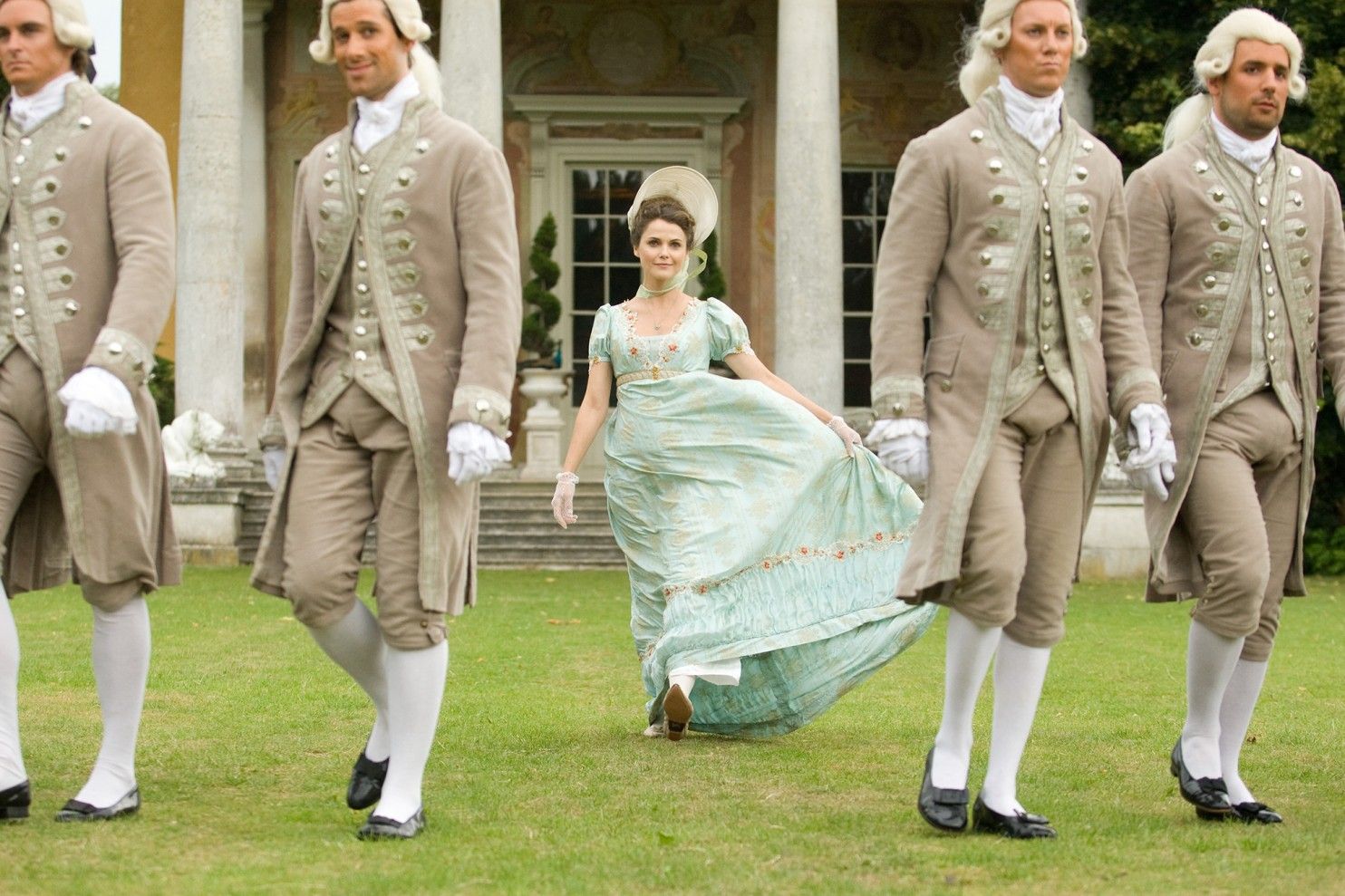 Austenland (2013): This film is truly one for the Austen fanatics, since it stars an Austen fanatic who would rather daydream about Mr. Darcy than date and books a vacation at a Jane Austen theme park hoping for storybook romance. What she doesn't realize is that she booked the poor, orphaned relation package and instead of getting to play Elizabeth Bennet for the holiday she's stuck being Charlotte Lucas. But she's determined to not to let her situation in life get her down and fights to be the heroine of her own story. It's hilarious and endearing and full of little moments of "oh my goodness that's me" many an Austen fan can relate to. (It's also the movie that inspired me to hunt down my "I Love Mr Darcy" tote!)
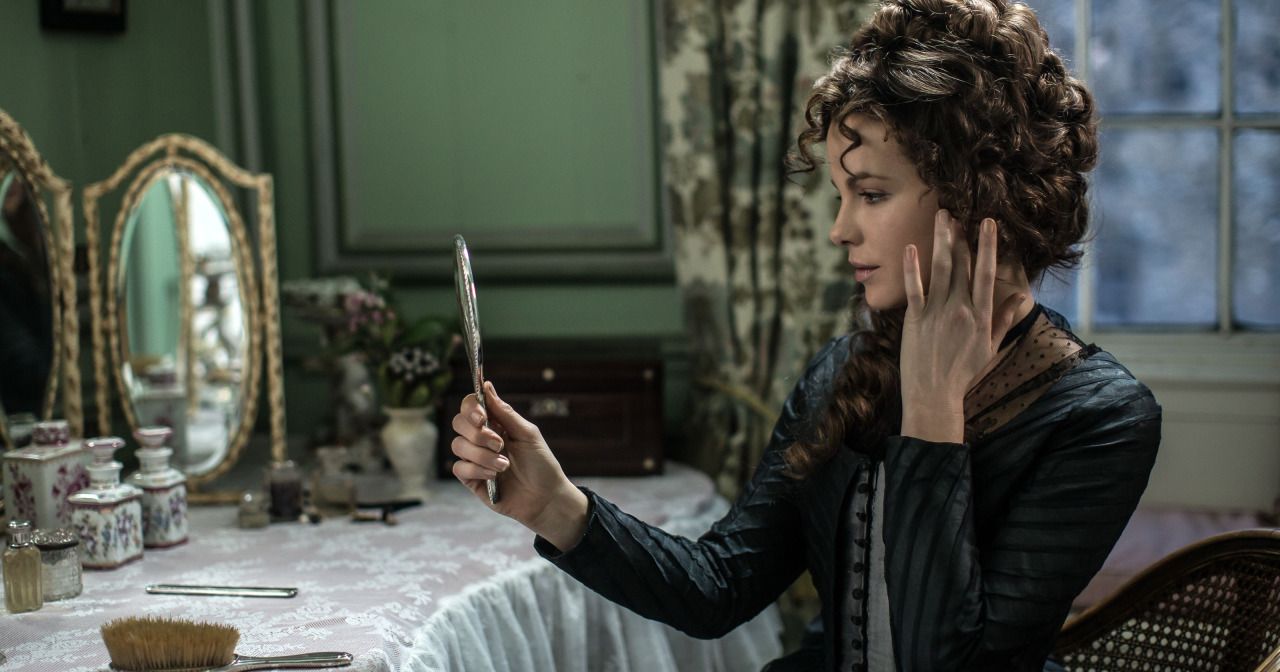 Love & Friendship (2016): This comedic period piece is based on one of Jane Austen's less known works, namely her novella "Lady Susan" which Austen never submitted for publication. Her title character is a unique figure in 19th century literature--she is unscrupulous, selfish, scheming and brilliantly brought to life by Kate Beckinsale in the film. Throughout the movie she flirts, insults, plots and acts like no Jane Austen lead you have ever seen before. The character Lady Susan might have been based off of Jane Austen's neighbor; a beautiful woman who treated her daughters rather heartlessly and on-screen Susan is very cold to her daughter Frederica. As an American it was quite funny to hear an Austen character throw some verbal shade at my homeland with lines such as "Americans really have shown themselves to be a nation of ingrates, only by having children can I begin to understand such a dynamic..."
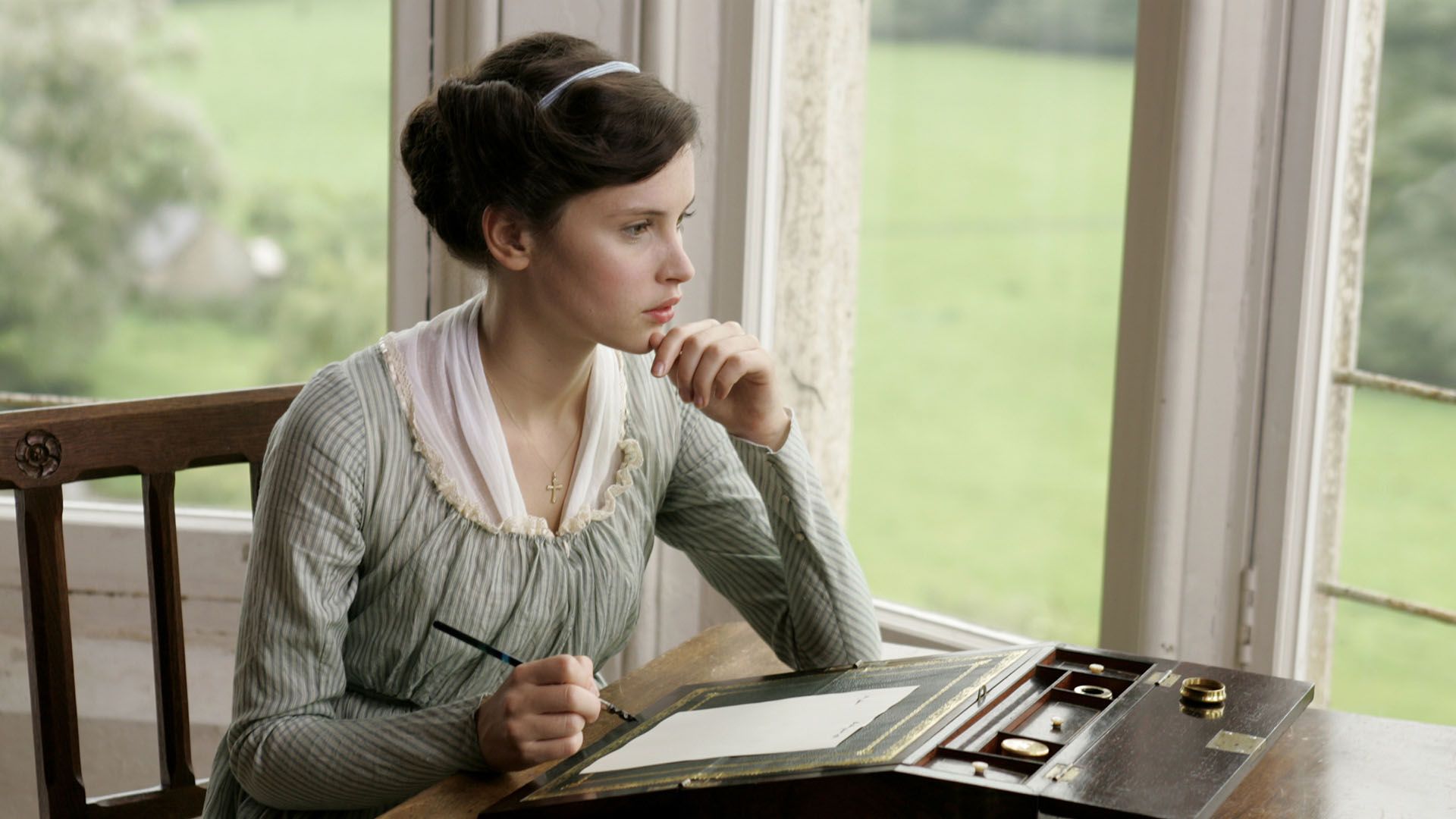 Northanger Abbey (2007): Northanger Abbey was the first novel Jane Austen completed, but one of the last to be published. Reading the novel or film you can almost feel her youth in the writing through her protagonist--a young girl who spends too much time reading novels and daydreaming that she is a heroine in a Gothic novel. It's a light-hearted comedy that also seems to tackle what could be some of Austen's own early hopes and fears as a would-be novel writer given the social prejudices of the time; are novels just silly works of fiction suitable only for the entertainment of young girls without much sense? The film adaptation stars a young Felicity Jones who has never looked more wide-eyed and naive than as young Catherine setting off for her first season "out" in society. Fun fact: the Northanger Abbey in this film was actually Lismore Castle in Ireland.
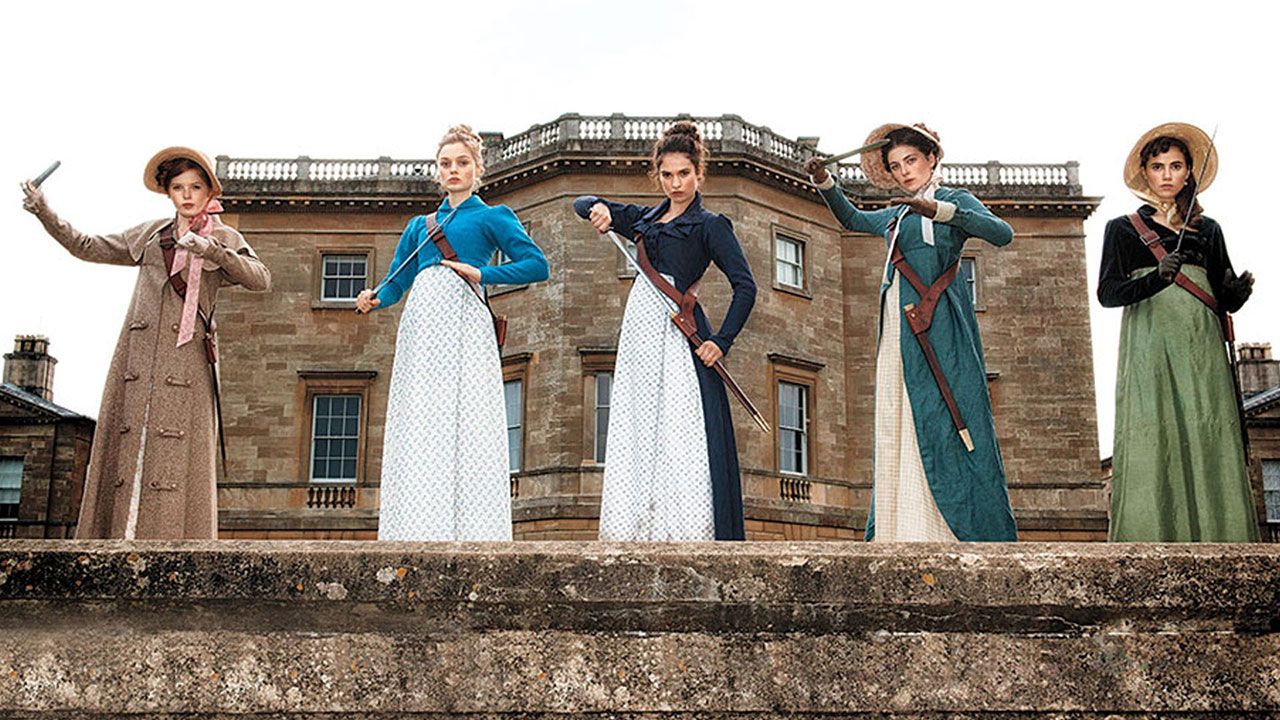 Pride & Prejudice & Zombies (2016): This movie (and book) asks the eternal question, what if the Bennet sisters had to battle zombies and social pressures? The film didn't do well in theaters, but it's actually quite a hilarious blend of zombie lore and the Regency Period; a dinner party is ruined by a zombie attack and a walk to Netherfield is wrought with more dangers than muddy hems. Far, far from a classic interpretation, it's fun to see some of the most well-known lines thrown about through a knife fight and brings some of the liveliness of Austen's novels to the screen in a very fresh way. Elizabeth was always a feisty protagonist, now she has the added bonus of a sword in her hands. I'm not really sure why Jane Austen fans were reluctant to see this film as it's pure fun.
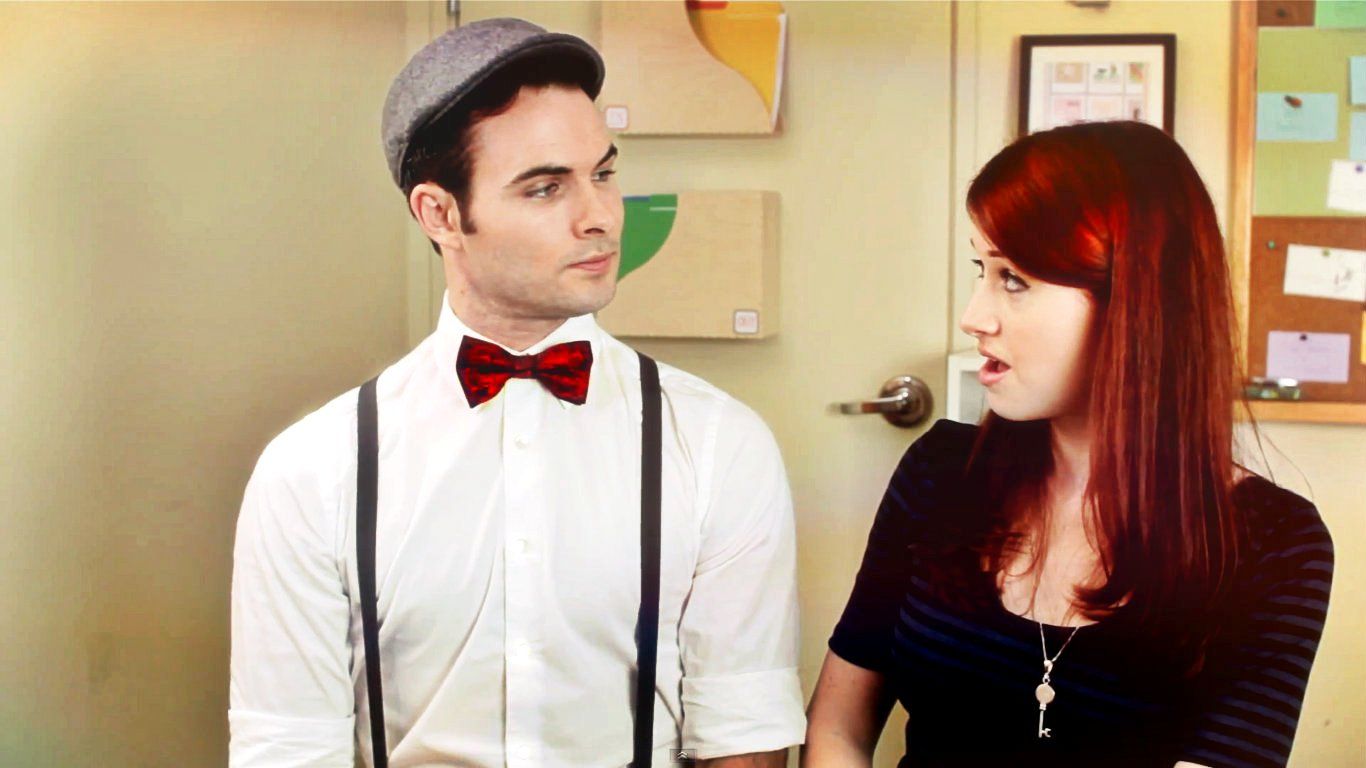 The Lizzie Bennet Diaries (2012-2014): This isn't actually a movie, but a series of vlogs from the perspective of a modern day Elizabeth Bennet (Lizzie), live-blogging from her bedroom. All of your Pride and Prejudice favorites get a modern update through the screen of Youtube and it's really a testament to the enduring nature of Austen's stories. The characters in her novels feel realistic and sometimes even familiar, in the Lizzie Bennet Diaries version they also look and sound like you and me, but with that unmistakable Austen elegance.
Emma (2020): directed by Autumn de Wilde this is a frothy confection of a film. It's a visual delight (just look at the above costume and scene--that's a chestnut tree in blossom) but the visuals aren't just empty imagery; both the costumes and set design are used to further the story and illustrate the relationships between characters. Emma's outfits and home often border on ostentatious and doll-like, which is also a representation of her status in the community--compare her wardrobe to that of humble Harriet or modest Jane Fairfax. The film did a good job of playing justice to the complexity of Emma's character (even Jane Austen herself wrote that Emma would be a character unliked by many)--she is obsessed with perfection but is far from perfect. Most films focus on humbling Emma, which this one does as well, but it also I think fleshes out her character and relationships better as well, for one thing you can feel her loneliness as she bids goodbye to Mrs. Weston. The relationship between Emma and Mr. Knightley is also especially good in this adaptation (I might write a whole blog post about that one day). One critique I did have for the film was the sound was a bit flat to me; I found it less immersive than it could have been as there wasn't much ambient noise throughout--for example when they're picnicking where is the birdsong? But that's a fairly minor critique for a film I enjoyed so thoroughly on so many levels.Austenland (2013): This film is truly one for the Austen fanatics, since it stars an Austen fanatic who would rather daydream about Mr. Darcy than date and books a vacation at a Jane Austen theme park hoping for storybook romance. What she doesn't realize is that she booked the poor, orphaned relation package and instead of getting to play Elizabeth Bennet for the holiday she's stuck being Charlotte Lucas. But she's determined to not to let her situation in life get her down and fights to be the heroine of her own story. It's hilarious and endearing and full of little moments of "oh my goodness that's me" many an Austen fan can relate to. (It's also the movie that inspired me to hunt down my "I Love Mr Darcy" tote!)Love & Friendship (2016): This comedic period piece is based on one of Jane Austen's less known works, namely her novella "Lady Susan" which Austen never submitted for publication. Her title character is a unique figure in 19th century literature--she is unscrupulous, selfish, scheming and brilliantly brought to life by Kate Beckinsale in the film. Throughout the movie she flirts, insults, plots and acts like no Jane Austen lead you have ever seen before. The character Lady Susan might have been based off of Jane Austen's neighbor; a beautiful woman who treated her daughters rather heartlessly and on-screen Susan is very cold to her daughter Frederica. As an American it was quite funny to hear an Austen character throw some verbal shade at my homeland with lines such as "Americans really have shown themselves to be a nation of ingrates, only by having children can I begin to understand such a dynamic..."Northanger Abbey (2007): Northanger Abbey was the first novel Jane Austen completed, but one of the last to be published. Reading the novel or film you can almost feel her youth in the writing through her protagonist--a young girl who spends too much time reading novels and daydreaming that she is a heroine in a Gothic novel. It's a light-hearted comedy that also seems to tackle what could be some of Austen's own early hopes and fears as a would-be novel writer given the social prejudices of the time; are novels just silly works of fiction suitable only for the entertainment of young girls without much sense? The film adaptation stars a young Felicity Jones who has never looked more wide-eyed and naive than as young Catherine setting off for her first season "out" in society. Fun fact: the Northanger Abbey in this film was actually Lismore Castle in Ireland.Pride & Prejudice & Zombies (2016): This movie (and book) asks the eternal question, what if the Bennet sisters had to battle zombies and social pressures? The film didn't do well in theaters, but it's actually quite a hilarious blend of zombie lore and the Regency Period; a dinner party is ruined by a zombie attack and a walk to Netherfield is wrought with more dangers than muddy hems. Far, far from a classic interpretation, it's fun to see some of the most well-known lines thrown about through a knife fight and brings some of the liveliness of Austen's novels to the screen in a very fresh way. Elizabeth was always a feisty protagonist, now she has the added bonus of a sword in her hands. I'm not really sure why Jane Austen fans were reluctant to see this film as it's pure fun.The Lizzie Bennet Diaries (2012-2014): This isn't actually a movie, but a series of vlogs from the perspective of a modern day Elizabeth Bennet (Lizzie), live-blogging from her bedroom. All of your Pride and Prejudice favorites get a modern update through the screen of Youtube and it's really a testament to the enduring nature of Austen's stories. The characters in her novels feel realistic and sometimes even familiar, in the Lizzie Bennet Diaries version they also look and sound like you and me, but with that unmistakable Austen elegance.
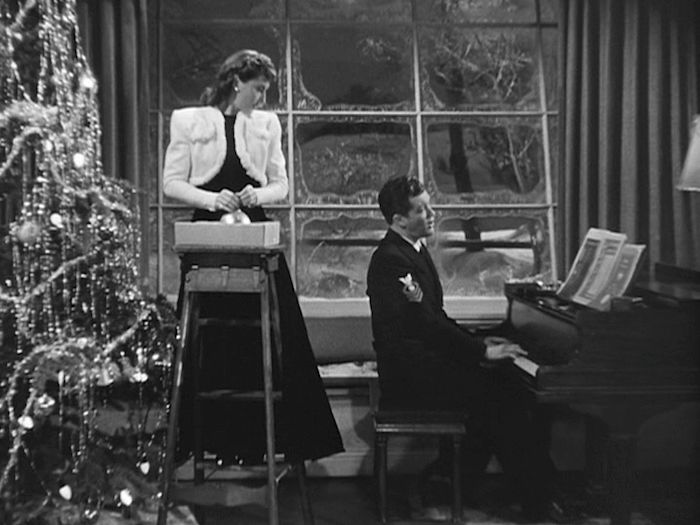 Christmas In Connecticut (1945): To anyone frustrated with Pinterest perfect homes and Insta-fame that seems to set everyone up for an impossible standard--watch this film. It's a comedy made decades before the Internet, let alone Pinterest existed, but it shows that trying to portray your personal life as something perfect (when it is anything but) is not a new concept. The film stars Barbara Stanwyck as a food writer who writes about being the perfect housewife in the country, but she's actually single, a terrible cook, and lives in a flat in the city. She has to attempt to live the lie when her editor wants her to host a soldier for a classic Christmas feast in her non-existent Connecticut home complete with make-believe husband and child. The holiday is a disaster, but through the chaos there's a lot of truth and love to be found.
 It Happened On Fifth Avenue (1947): This is a true gem of a film and it's a bit sad it isn't as well known as other classic Christmas films. The premise of this movie is pretty fun: every winter a homeless New Yorker moves into a mansion while its occupants are away on holiday and this year he decides to bring along a group of his down-in-their-luck friends to live like kings for one week. When the homeowner's daughter returns unexpectedly she finds herself falling for one of the house's new occupants and decides to pretend to be homeless as well. When her parents follow her home, she has to convince her parents to pretend to be paupers in their own home. It's funny and sweet and well worth a watch.
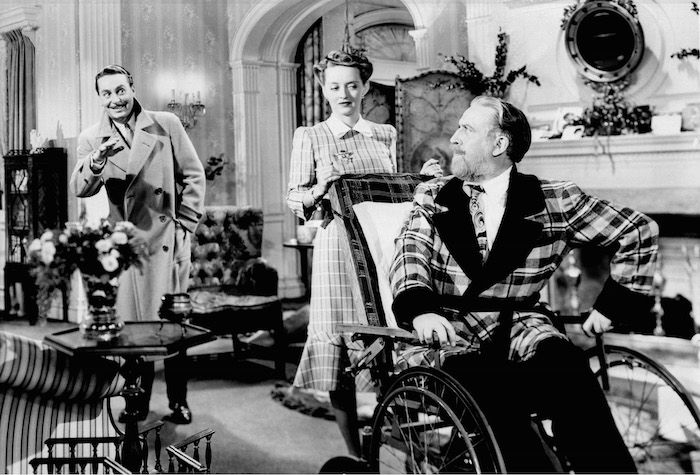 The Man Who Came To Dinner (1942): “Guests, like fish, start to smell after a few days,” is perhaps the best briefest summary of this film about a critic who injures himself while at a dinner party and is forced to stay at his host’s home much to mutual dismay of his host and himself. It's perfect for anyone hosting family or friends this holiday and feeling the strain of a full house! The unwelcome guest list for this unfortunate family only continues to grow as the critic starts bringing his work, actors, penguins, and a mummy into their home. It will make you laugh and perhaps realize that sometimes even unwelcome guests can herald in welcome change.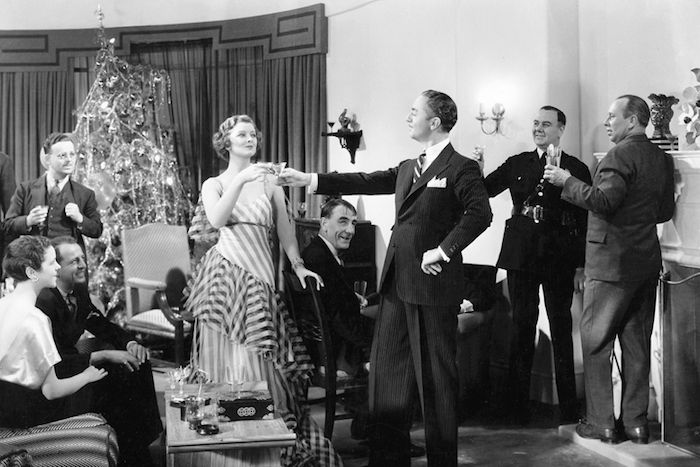
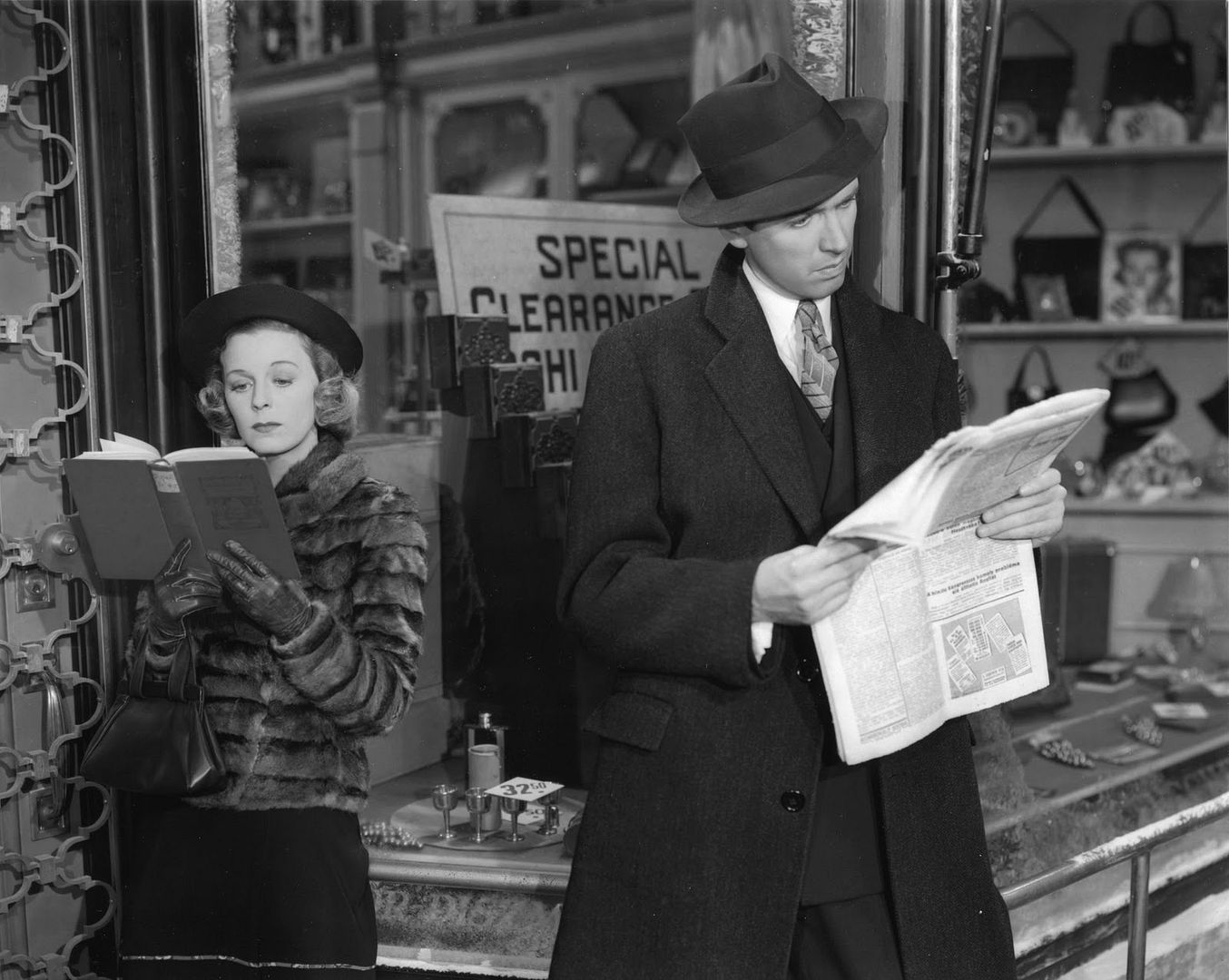 The Shop Around The Corner (1940): If you like You've Got Mail, then you should already be a fan of this film, since that Tom Hanks-Meg Ryan pairing is a remake of this classic film. Instead of e-mail, two co-workers who don't get along in person, unwittingly exchange handwritten love letters. Even moments like the restaurant scene where he sits behind her were re-created nearly shot-for-shot and word-for-word with a few modern updates. It's a lovely story about getting past quick judgments and early prejudices to see people for who they really are--not just for the couple at the center of the story, but the supporting cast as well which is better developed in this version than the modern film.
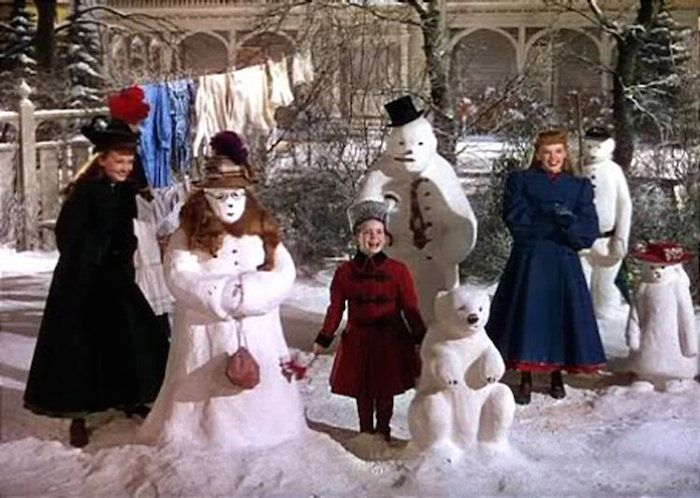 Meet Me In St. Louis (1944): This musical starring Judy Garland doesn’t just take place at Christmas (where Garland sings her famous “Have Yourself A Merry Little Christmas"), but follows a family in St. Louis through one year of their lives. We see the younger siblings dress up for Halloween, while the older sisters prepare for a Christmas ball, and see the whole family go through the ups and downs a single year can bring. It's heartwarming and a visual feast in beautiful color with some of the most delightful costuming.
  It's A Wonderful Life (1946): It's no exaggeration to say this is one of best films ever made and worth watching in any season, although it is always especially poignant this time of year. It stars Jimmy Stewart as George Bailey, a man who throughout his life sacrificed his own dreams for others and finds himself suicidal on Christmas Eve. An angel, Clarence, intervenes and shows Bailey what his community would have been like if he had never been born. It's heart-warming and optimistic without being naive and I dare anyone to finish the film with a dry eye.



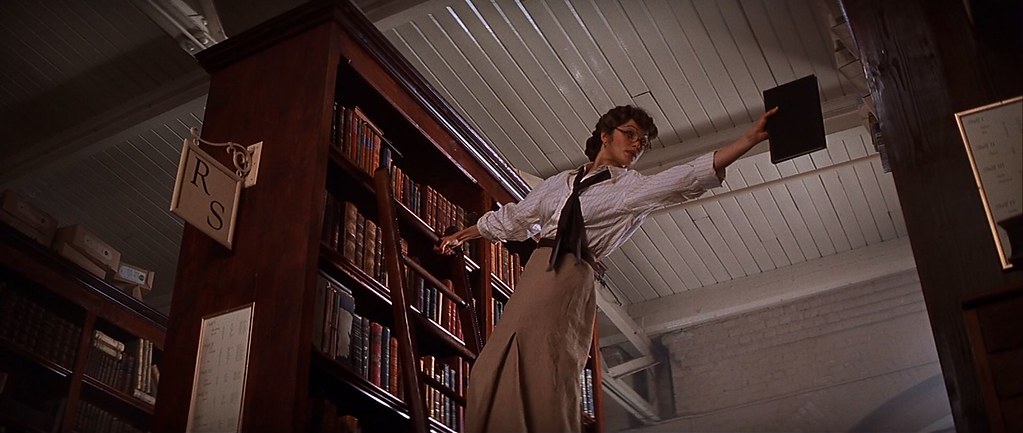
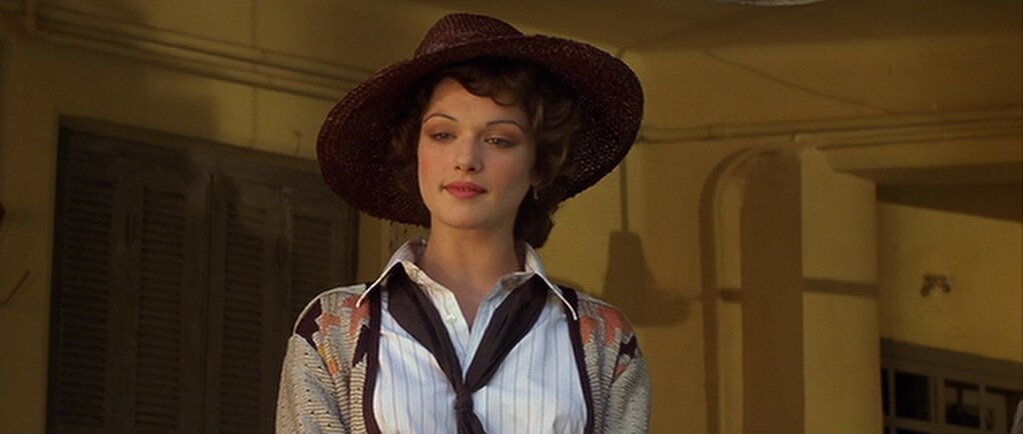
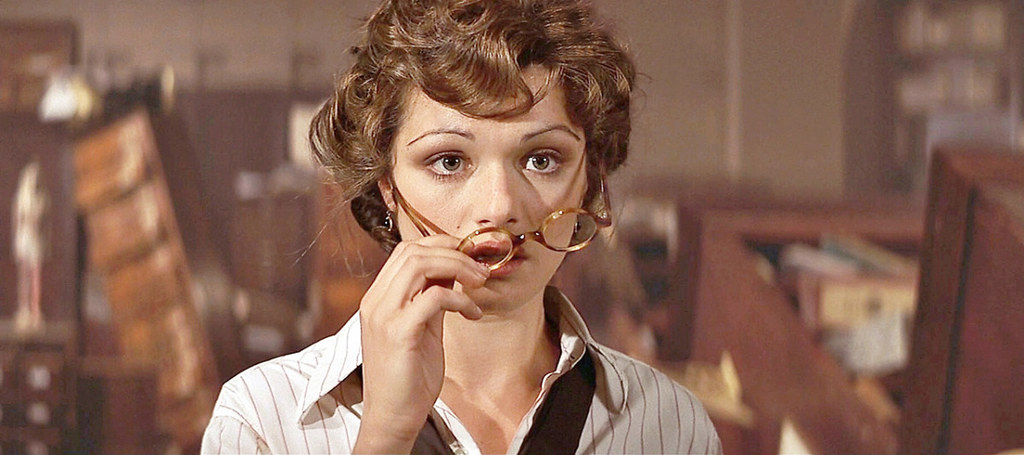
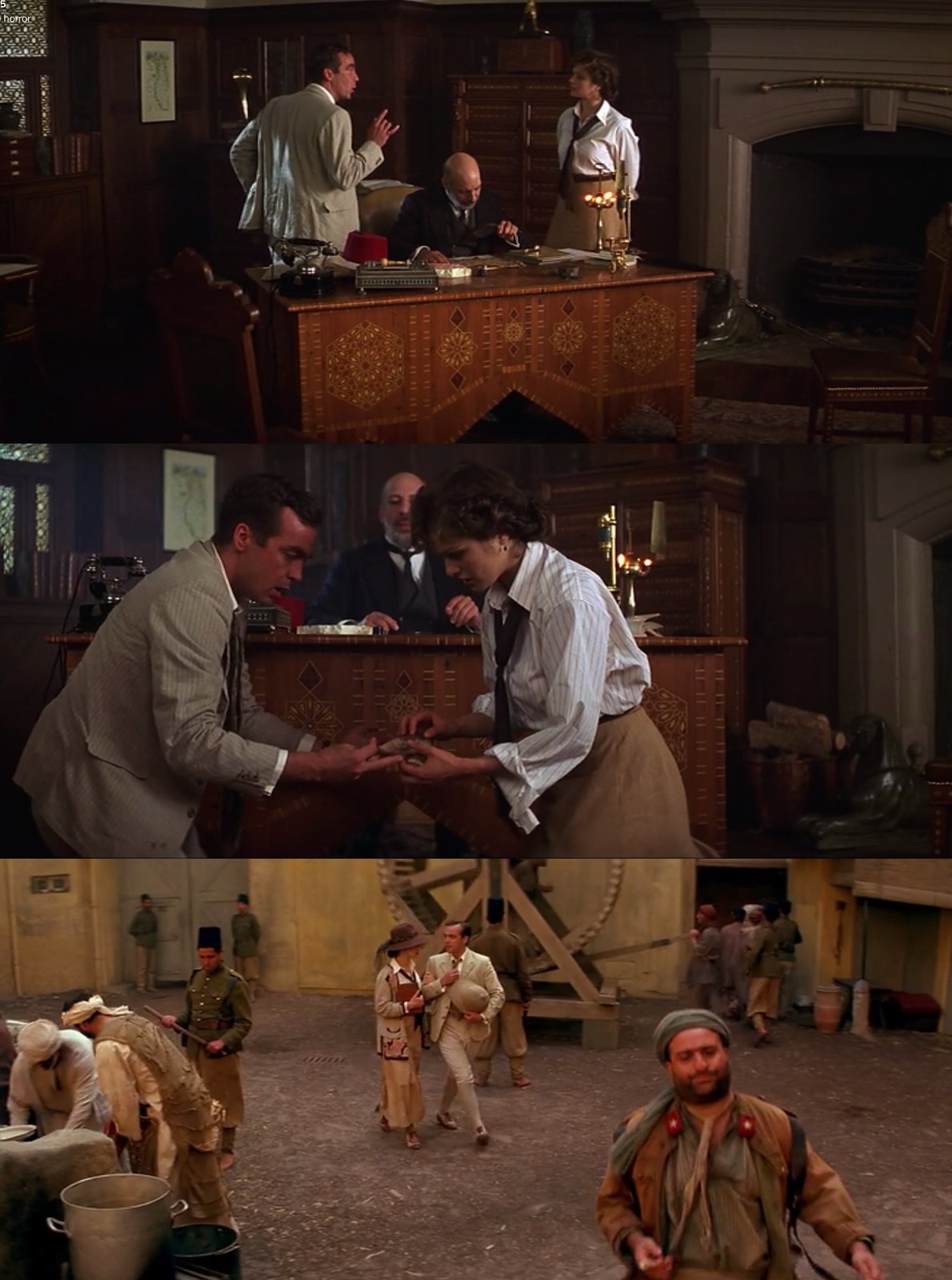
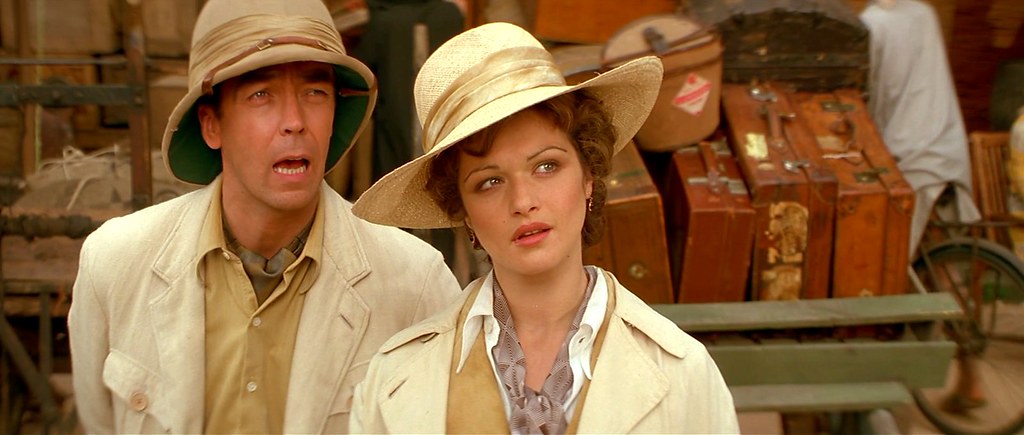

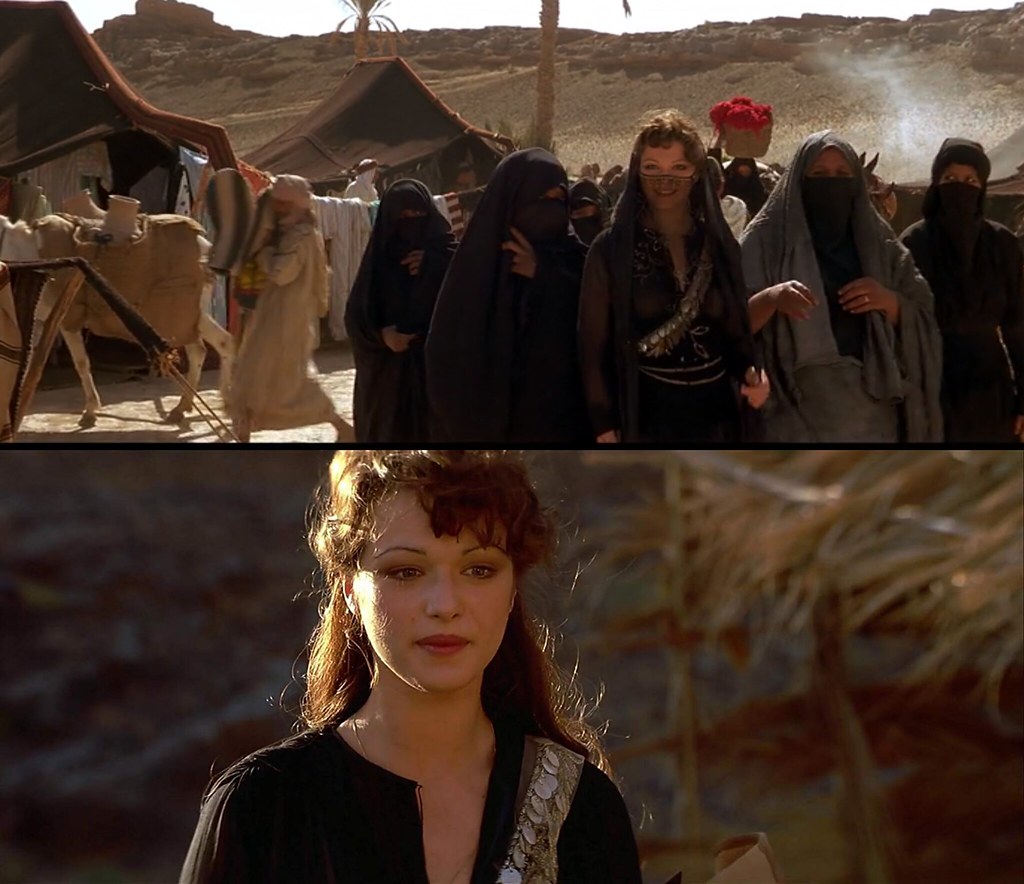
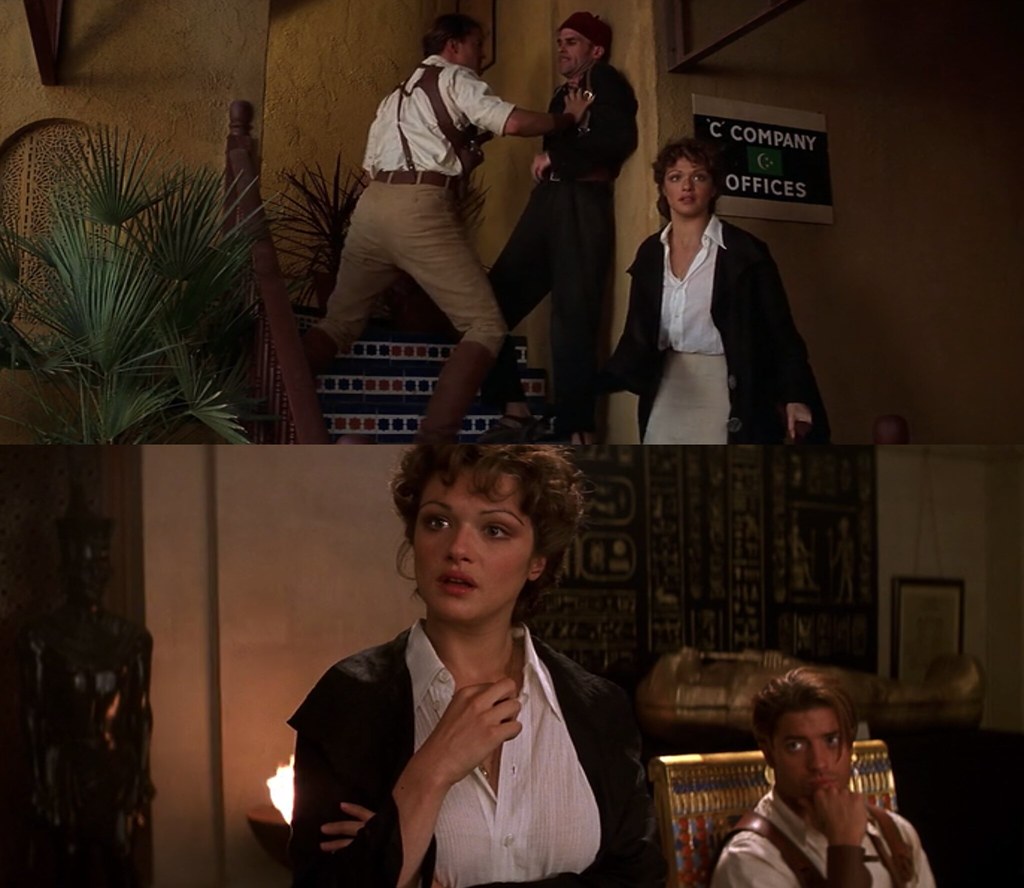
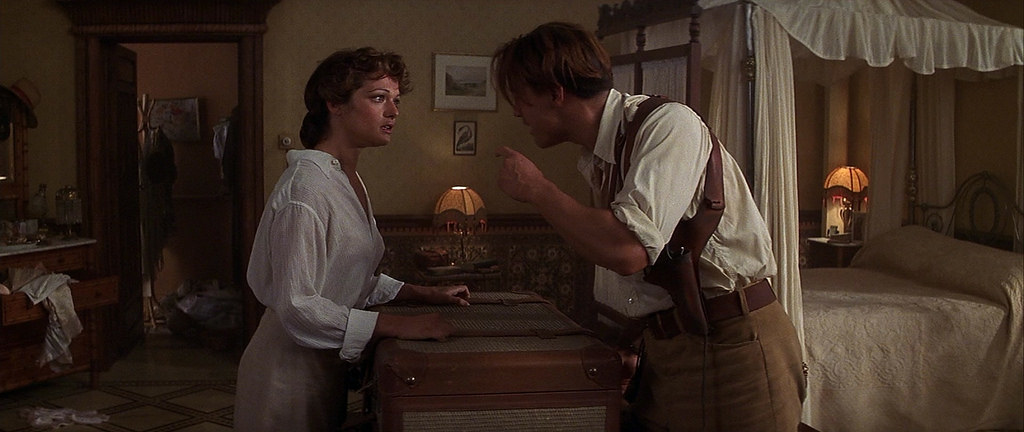
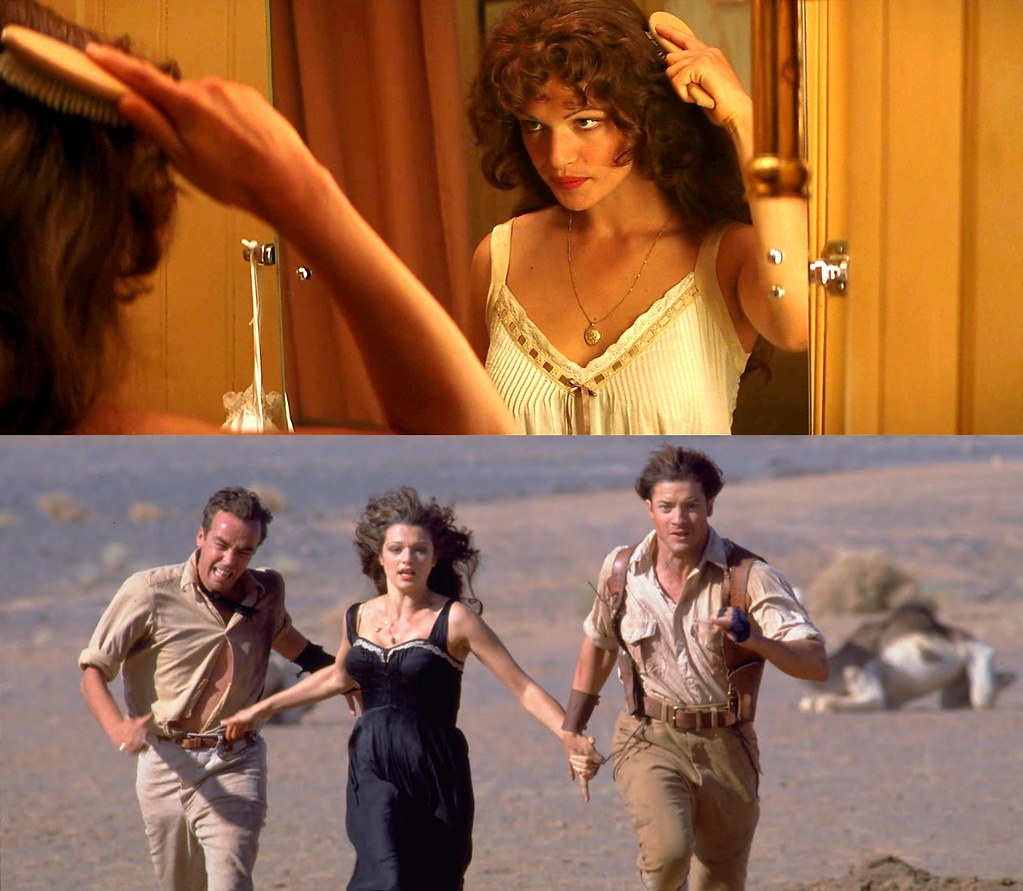 When they return to the city and O’Connell is trying to convince her to run away, Evie has access to her own closet again, but her style has changed. Before her clothes were always fully buttoned and layered with multiple elements—a masculine tie, a belted jacket, etc. In the Giza port scene she and her brother’s outfits are nearly interchangeable, but now she’s wearing a new dark coat on top of her neutrals (before the trip she never wore anything so boldly dark or declarative). Now her blouse is barely buttoned and her layers are minimal (side note: I'm also convinced she is literally wearing one of O'Connell's shirts in the scene where he's trying to make her pack). She’s let down her shields and is a changed woman. Even her nightgown has gone from innocent and white to darkly sultry while mirroring the first nightgown. Both are gently v-necked with pleated detailing on the bodice and trimmed in lace; she's embraced her "dark" side but unlike the borrowed Bedouin clothes, this is Evie. What’s so great is we see she has returned to the elements she wore in the beginning, men’s shirts, khaki skirts, lace-trimmed nightgowns, but she has relaxed (no mistaking her for a missionary now) and embraced her femininity and isn't afraid of getting attention. In this style evolution we can see her growth, but also the fact that she’s never going to stop being that librarian-weirdo-historian that we fell in love with at the start. She’s more outgoing and confident, but all those bookish elements that made her so charming and unique, aren’t going anywhere. And there's no mistaking her as her brother now!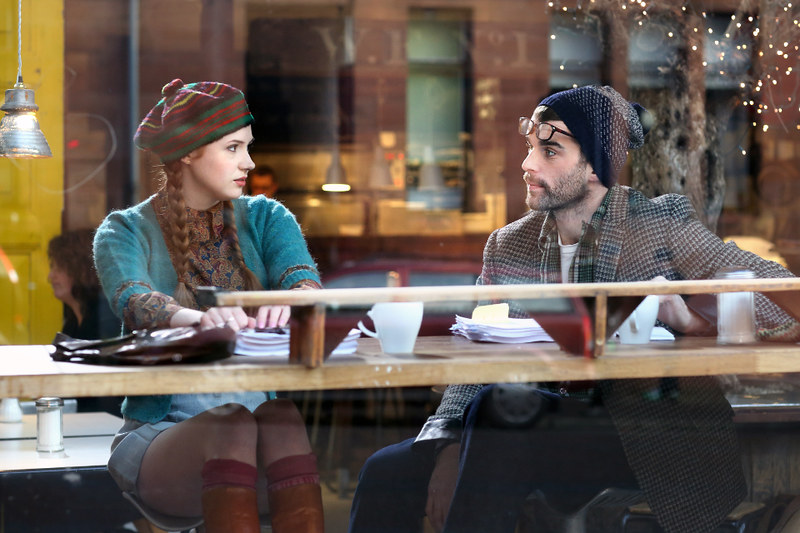

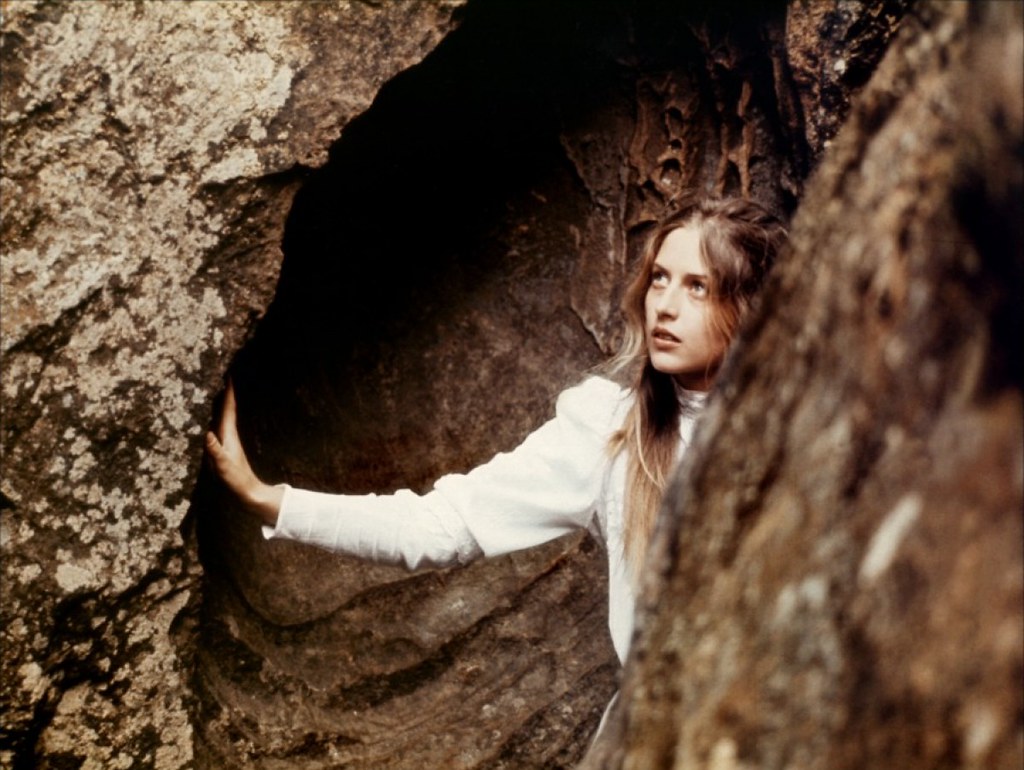
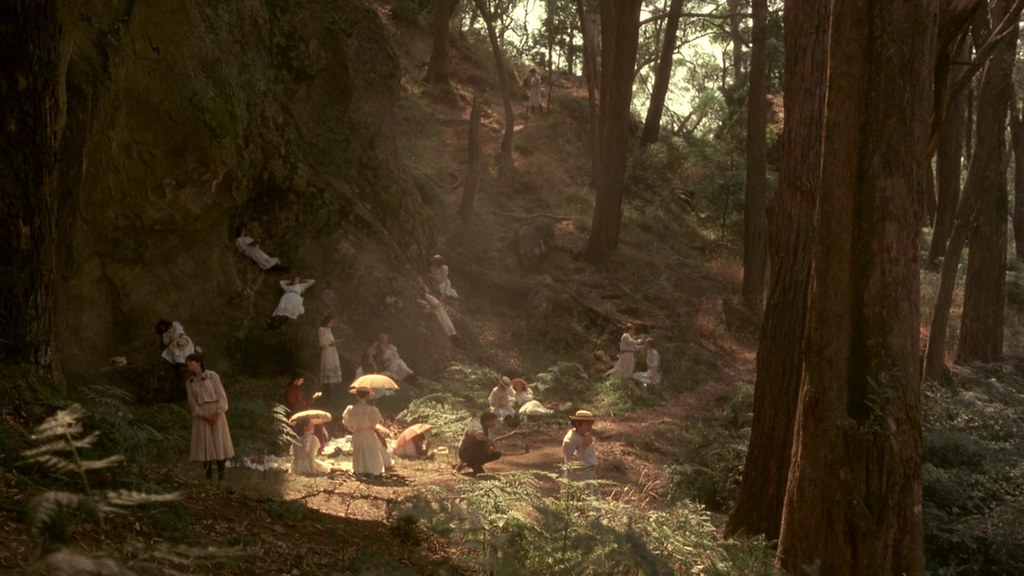
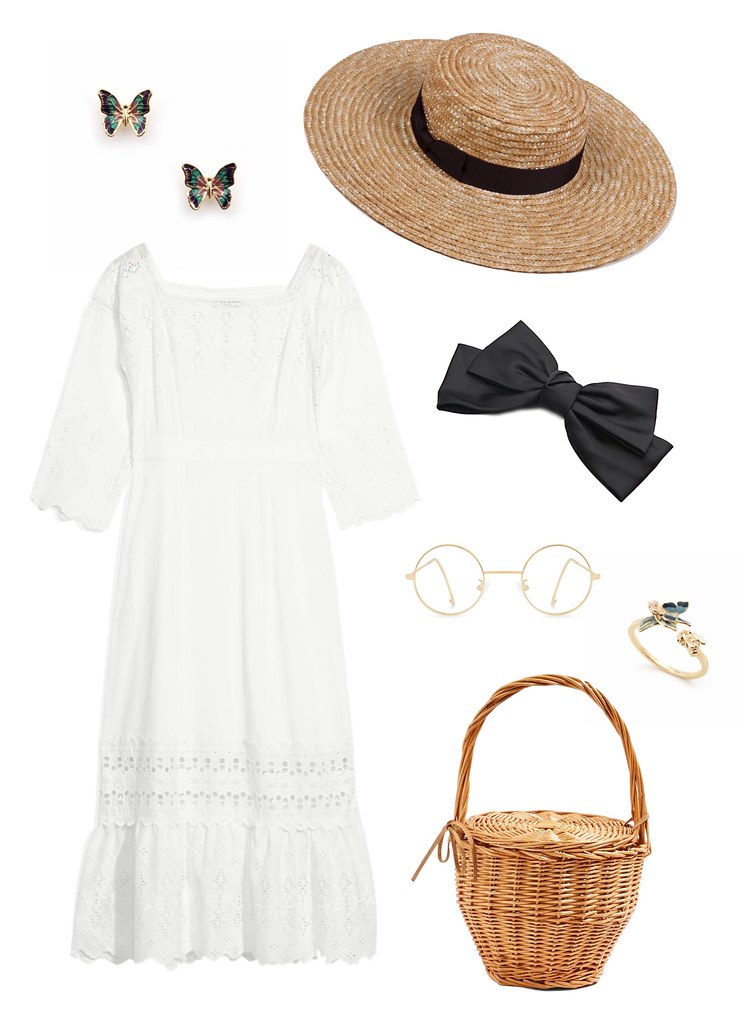
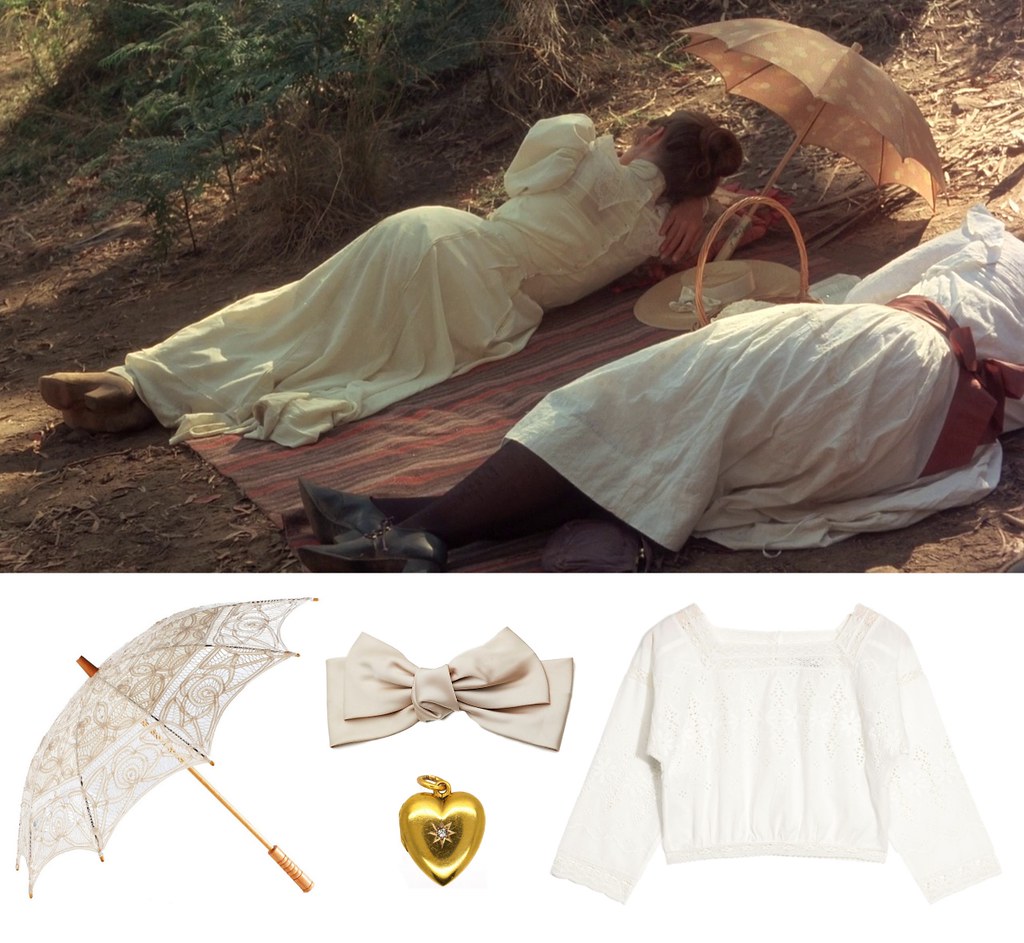
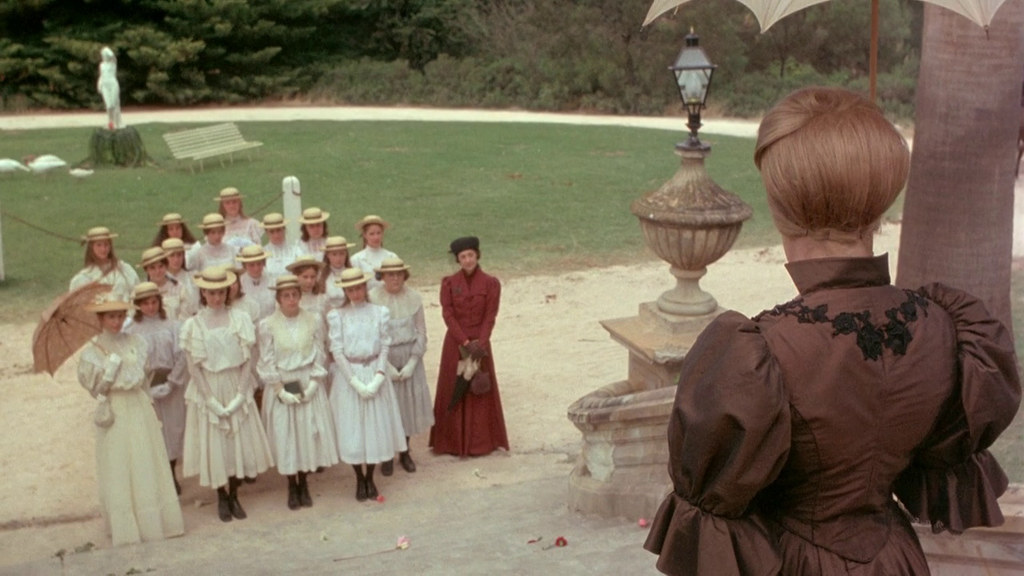
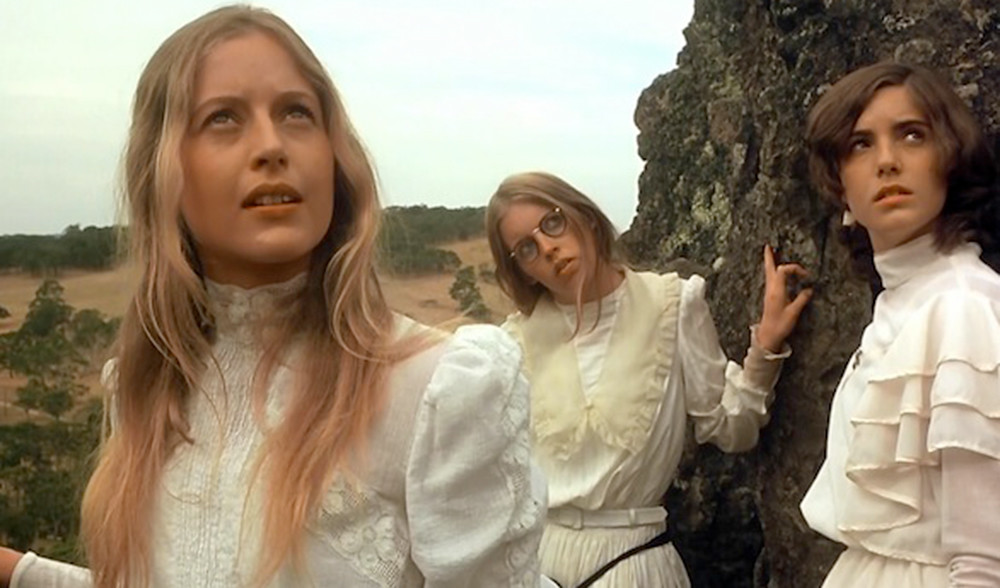
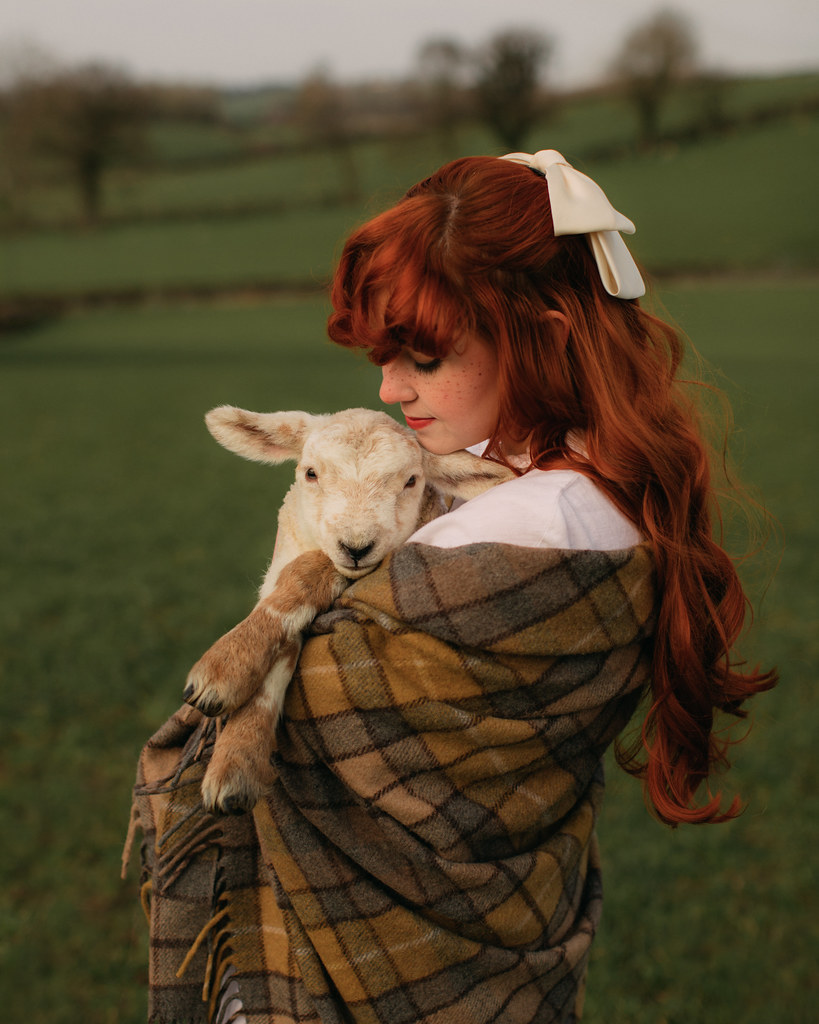
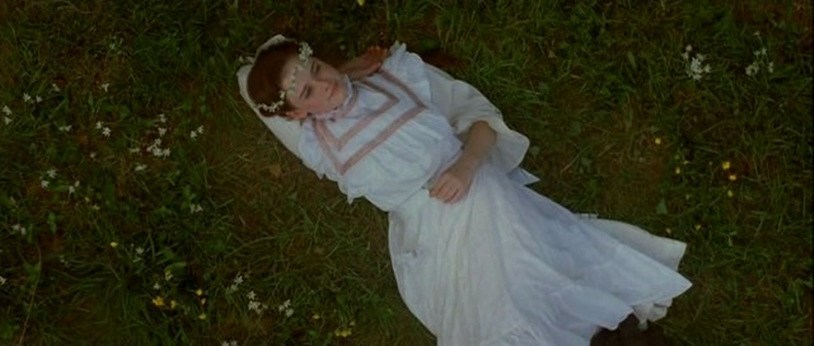
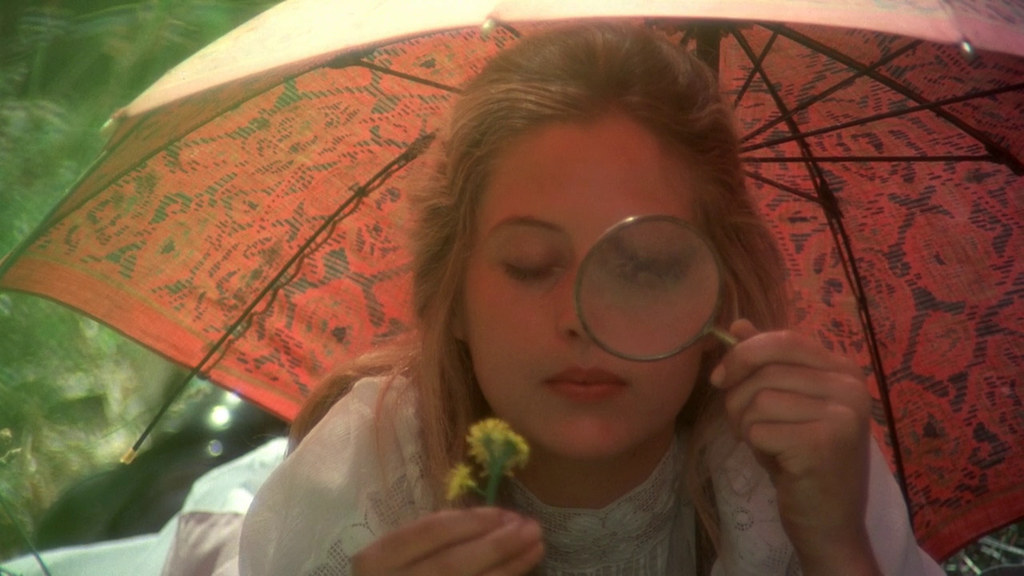 If there's one film to watch this year to reflect the biggest fashion trends right now it's 1975's Picnic at Hanging Rock. Hair bows? Check! Long white dresses? Check! Basket bags and boater hats? Check! It's a perennial favorite of mine (and the rest of the fashion world) for summer inspiration, even though the film is set on Valentine's Day. I won't begin to give a synopsis of the plot, but it's well worth a viewing if you like mysterious and unsettling films with amazing fashion (a remake of the film is also coming out soon!). But even without viewing the film a quick Google or Pinterest search of "Picnic at Hanging Rock" will yield hundreds of inspiring results from the film itself to the numerous editorials and lookbooks it has inspired. The key elements to take away for channeling this look are long white dresses, preferably with a vaguely Edwardian inspired or with lace detailing, romantic, wavy hair topped with a straw hat, and delicate satin ribbons to be tied in the hair or around the waist. There's this tension in the film between restrictive looks and more relaxed ones; uniform/conformity and breaking free. This tension is partly what captives in the style; high collar blouses and tousled undone hair; feminine bows juxtaposed with more rugged elements or a setting. Details to finish off the look--vintage jewelry (perhaps a heart locket as a nod to Valentine's Day) or a butterfly motif to echo Miranda's butterfly buckle on her belt. It was an intentional symbol of the ephemeral nature of Miranda, a delicate beauty like a butterfly that flutters briefly into sight to add a moment of wonder, but is gone in the blink of an eye.